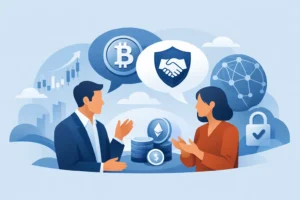
A crypto opportunity can look exciting in a 10-minute presentation. The real test comes after the excitement: Can you explain how it works, where the money moves, what could go wrong, and who is accountable? That is how to build crypto trust – not by believing every bold claim, but by gaining enough clarity to make a calm decision.
For people searching for more income, more freedom, and a way out of the limits of a traditional paycheck, crypto can feel like a door opening. Bitcoin mining, digital assets, and decentralized finance have created real opportunities. They have also created confusion, hype, and expensive mistakes. Trust is what helps you tell the difference.
Crypto Trust Starts With Clarity, Not Hype
Trust does not mean assuming an opportunity is guaranteed. No investment, business model, or mining program can honestly promise a result. Markets move, mining economics change, and every individual brings different goals, budgets, and levels of effort.
Real trust begins when the person sharing the opportunity is willing to speak plainly. They should be able to explain the basics without hiding behind complicated language. What are you buying or participating in? How does the company or program earn revenue? What fees are involved? What happens if bitcoin’s price falls or mining difficulty rises?
If someone only talks about lifestyle, huge numbers, or urgency, slow down. Motivation has a place. Your family time, financial goals, and future matter. But motivation without facts is just pressure wearing a positive smile.
The strongest opportunities can survive honest questions. In fact, a guide who welcomes questions is usually showing you more than information. They are showing you how they do business.
Know What You Are Trusting
Many people say they trust crypto when they really mean they trust a person, a platform, or a story. Those are different things.
Bitcoin is a decentralized network with a public record of transactions and a fixed supply model. A mining operation is a business activity that uses computing power and electricity to support the network in exchange for the chance to earn bitcoin rewards. A company that offers access to mining may be providing equipment, hosting, education, a referral structure, or some combination of these.
Each layer needs its own review. You may believe in Bitcoin long term while deciding that a particular mining offer is not right for you. You may like a presenter while still needing more documentation from the company. You may decide the opportunity makes sense but only at an amount you can afford to put at risk.
That distinction protects your confidence. It keeps one bad experience from making you think every crypto opportunity is a scam, and it keeps one good story from making you ignore warning signs.
How to Build Crypto Trust With Your Own Research
You do not need to become a blockchain engineer before you start. You do need a repeatable process. Before registering, funding an account, or sharing an opportunity with friends, take time to verify the essentials.
Start by asking for the written details. Look for clear explanations of costs, terms, withdrawal rules, cancellation policies, and risks. If the offer involves mining, understand whether you own hardware, rent capacity, purchase a package, or participate through another structure. Those models can have very different economics and responsibilities.
Then test the claims. If someone says earnings are passive, ask what ongoing factors affect them. Electricity pricing, machine performance, maintenance, network difficulty, bitcoin price, taxes, and company operations can all matter. Passive should never mean invisible or risk-free.
Finally, compare the message with independent evidence. Read the official materials closely. Search for clear answers rather than only testimonials. A testimonial can be inspiring, but it is one person’s experience, not a forecast of yours.
You are not being negative by doing this. You are acting like an owner. People who build lasting wealth learn to ask better questions before they commit money, time, or reputation.
Questions Worth Asking Before You Join
Keep these questions close when evaluating a crypto mining or referral-based opportunity:
- What exactly am I paying for, and what do I receive?
- What are the upfront, ongoing, and potential exit costs?
- What variables can reduce returns or delay withdrawals?
- Is there a clear support channel and written documentation?
- How does the person inviting me get compensated?
- Can I afford this if the outcome is lower than I hope?
A direct answer does not automatically make an opportunity good. But vague, evasive, or aggressive answers tell you something valuable.
Trust the Person, But Verify the Process
Relationship matters in crypto because newcomers often need help understanding the first steps. A good mentor can save you time, explain basic concepts, and help you avoid simple errors. That personal support is valuable, especially when you are moving from curiosity to action.
Still, never hand over responsibility for your decision. The best guide does not tell you to switch off your judgment. They help you strengthen it.
Look for consistency. Does the person explain risks as clearly as rewards? Do they avoid claiming guaranteed income? Are they willing to tell you when an offer may not fit your situation? Do they follow up with useful answers instead of creating artificial urgency?
At BTC Strateg, the goal is to make the mining conversation easier to understand, not to make you feel rushed. The right next step is always the one you can explain to yourself with confidence.
Trust also grows when compensation is transparent. In affiliate and network-marketing models, the person who introduced you may earn a commission. That is not automatically a problem. It becomes a problem when it is hidden, when recruiting becomes more important than customer value, or when income claims replace clear information.
Transparency gives you room to decide without guessing at anyone’s incentives.
Protect Your Money Before You Chase Momentum
The desire for freedom can make people move too fast. Maybe you are tired of overtime, frustrated by rising bills, or ready to create a second income stream. Those feelings are real. They are also the reason you need a plan.
Only use money you can afford to risk. Keep emergency savings separate from speculative opportunities. Avoid borrowing to participate in crypto, especially if you do not fully understand repayment pressure. A decision made from desperation is easier for hype to control.
Security deserves the same attention. Use strong, unique passwords. Turn on two-factor authentication. Never share recovery phrases, private keys, or account verification codes with anyone. Confirm wallet addresses carefully before sending funds, because most blockchain transfers cannot be reversed.
If a person pressures you to send money immediately, asks for your seed phrase, or wants remote access to your device, walk away. Legitimate support should help you protect control of your accounts, not take it from you.
Build Trust Slowly Enough to Keep It
You do not have to go from zero to all-in. Start with education. Watch a presentation, write down your questions, review the details, and speak with the person who invited you. If the opportunity still makes sense, begin at a level that fits your finances and your comfort with risk.
Then pay attention to your actual experience. Is communication clear? Are expectations matching reality? Can you access the information you were promised? Are you learning useful skills, or only being told to promote before you understand the offer?
This measured approach may not feel as thrilling as a fast decision. It is far more likely to help you stay confident when the market gets noisy. Confidence built on understanding lasts longer than confidence built on excitement.
Let Your Actions Create Your Reputation
If you plan to share crypto or mining with other people, your reputation is your real asset. Friends and family may forget a flashy presentation, but they will remember whether you were honest with them.
Do not lead with promises. Lead with your reason for learning, the facts you have verified, and the risks you understand. Say when you do not know an answer, then find it. Give people time to think. The right people will respect that.
You do not need to convince everyone. You need to become the person who communicates clearly, acts responsibly, and keeps learning. That is how trust compounds – one honest conversation, one careful decision, and one protected dollar at a time.