A lot of people hear about Bitcoin mining and assume it is some kind of digital mystery – computers running in the background while money appears out of nowhere. But if you are seriously asking how does bitcoin mining generate income, the answer is much more practical. Miners earn by helping secure the Bitcoin network, validating transactions, and getting paid in bitcoin for doing that work.
That matters because mining is not just a tech concept. For many people, it represents something bigger: a way to participate in the digital economy instead of just watching from the sidelines. If you are looking for an income model outside the limits of a paycheck, mining starts to make sense when you understand where the money actually comes from.
How does bitcoin mining generate income in real terms?
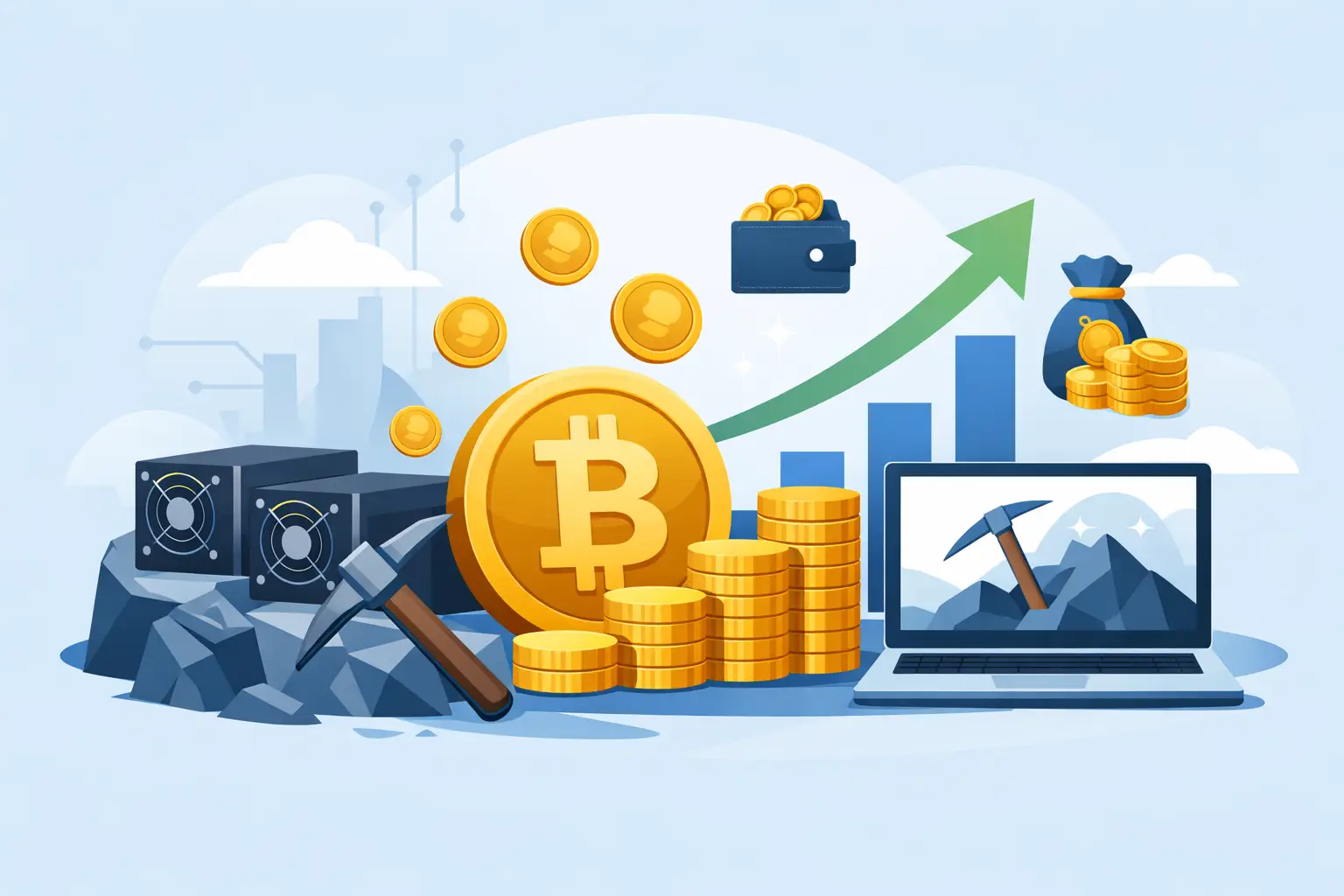
Bitcoin mining generates income from two sources: block rewards and transaction fees. When miners successfully add a new block of transactions to the blockchain, they receive newly created bitcoin plus the fees attached to the transactions inside that block.
This is the core business model. Miners use computing power to solve cryptographic problems. The first miner, or mining pool, to solve the problem for a block gets the reward. That reward is paid in bitcoin, which then has a market value based on the current price of BTC.
So the income is real, but it is not random. It comes from participating in the infrastructure of Bitcoin itself. In simple terms, miners are paid for keeping the network running honestly and efficiently.
Where the money comes from
The first source is the block reward. This is new bitcoin issued by the protocol. Every time a new block is mined, the miner receives a fixed amount of bitcoin. That reward is cut in half roughly every four years in an event called the halving.
The second source is transaction fees. Every time users send bitcoin, they usually pay a fee. Those fees go to the miner who includes the transaction in a block. Over time, transaction fees are expected to play a bigger role as block rewards continue to shrink.
This is why miners pay close attention to both network activity and bitcoin price. If more people are using Bitcoin and paying fees, mining can become more attractive. If the BTC price rises, the value of mined bitcoin rises too.
Mining income is simple on paper, competitive in practice
The model sounds straightforward: run machines, earn bitcoin. But real mining income depends on math, scale, and timing.
A miner is competing with miners all over the world. The Bitcoin network automatically adjusts mining difficulty based on how much total computing power is active. When more miners join, it gets harder to win rewards. That means your setup has to be efficient enough to stay profitable even as competition increases.
This is where many beginners get the idea wrong. Mining is not a guaranteed paycheck. It is a business activity. Revenue can rise, but costs can rise too. The people who do best usually understand both sides.
The biggest factors that affect mining profit
Hardware efficiency
Mining is powered by specialized machines called ASICs. These are built specifically for mining Bitcoin. Better machines can produce more hashing power while using less electricity, and that efficiency matters a lot.
If two miners earn access to similar rewards, but one uses less energy to get there, that miner keeps more profit. In mining, the quality of your equipment can make the difference between positive cash flow and losses.
Electricity cost
Electricity is one of the biggest expenses in mining. If your power costs are high, your margins can disappear fast. This is why large-scale miners often operate in regions with cheaper energy.
For beginners exploring the opportunity, this is one of the first numbers to understand. Revenue means very little without cost control. Mining income is not just about what comes in. It is about what stays after expenses.
Bitcoin price
A miner gets paid in bitcoin, so the value of that income changes with the market. If BTC rises, the same amount of mined bitcoin becomes worth more in dollars. If BTC drops, revenue can feel tight very quickly.
This creates both risk and opportunity. Some miners sell immediately to cover expenses. Others hold a portion of their bitcoin and treat mining as a way to accumulate an asset they believe will grow over time.
Network difficulty
Bitcoin adjusts difficulty to keep block production steady. As more computing power joins the network, mining becomes harder. This means each miner may earn less unless they improve their setup or scale.
That is why mining is not static. What worked six months ago may not work today. Smart miners stay alert and make decisions based on changing conditions.
Solo mining vs pool mining
There is another piece that affects how income shows up: whether you mine alone or with a pool.
Solo mining means trying to win the full block reward by yourself. The upside is obvious – if you win, the reward is yours. The downside is that the odds are very low unless you control a massive amount of hashing power.
Pool mining is more common. A group of miners combines computing power, increases the chance of earning rewards, and then shares the payout based on contribution. The income is smaller per payout, but more consistent.
For most people, consistency matters. A steady stream of smaller earnings is usually easier to manage than waiting an unpredictable amount of time for one large reward.
Why people see mining as an income vehicle
Bitcoin mining attracts people because it offers something traditional work often does not: leverage. Instead of trading only hours for dollars, you are participating in a system that can run continuously.
That is the real appeal. The machines do the work. Your role becomes setting up the right strategy, controlling costs, understanding risk, and positioning yourself in a growing market. For people who are tired of feeling capped by a job, that idea is powerful.
Of course, the dream has to be matched with reality. Mining still requires capital, planning, and patience. But the reason so many people keep exploring it is simple: it creates a path where effort can turn into ownership, cash flow, and long-term upside.
How beginners should think about mining income
If you are new, the smartest mindset is not to ask, “How fast can I get rich?” A better question is, “How does this income model work, and where do I fit into it?”
Some people want hands-on control and learn the technical side. Others want a guided path with support from someone who has already walked it. That is often the difference between staying confused and actually getting started.
A platform like BTC Strateg speaks to that second type of person – someone who wants plain language, momentum, and direct guidance instead of getting buried in technical noise. That can matter a lot when you are trying to move from curiosity to action.
The trade-off most people ignore
Mining can create income, but it is not passive in the lazy sense. It may become more automated once set up, yet the decision-making behind it is active. You need to understand setup costs, payout expectations, maintenance, market swings, and the role of patience.
That trade-off is actually good news. Why? Because many people quit at the confusion stage. The ones who take time to understand the model put themselves in a stronger position. In any real opportunity, knowledge is part of the edge.
Is bitcoin mining income worth pursuing?
It depends on your goals, resources, and mindset. If you want instant certainty, mining may feel uncomfortable. If you are open to building in a new economy, learning a system, and thinking longer term, it can be compelling.
The income is generated by real network participation, real rewards, and real market value. But strong results usually come from smart entry, good guidance, and realistic expectations – not hype.
For the right person, bitcoin mining is more than a technical process. It is a way to step into something bigger than wages, something tied to ownership, independence, and the chance to build a different future. If that speaks to you, the next move is not overthinking. It is getting clear on the numbers, getting the right support, and deciding whether you are ready to act.