A paycheck can disappear the moment a job changes, a company cuts hours, or a boss decides your time is worth less than you know it is. That is why more people are asking how decentralized income streams work. They are looking for ways to build income that is not tied entirely to one employer, one bank, or one traditional system.
The idea is powerful, but it is often explained badly. Decentralized income is not a magic button, and it is not a guarantee that money arrives while you sleep. It is a different way of participating in digital networks, owning productive assets, and potentially earning from activity that happens beyond the walls of a conventional workplace.
For someone who wants more family time, more flexibility, and a bigger say in their financial future, understanding the mechanics matters. Excitement gets attention. Knowledge helps you make better decisions.
How Decentralized Income Streams Work
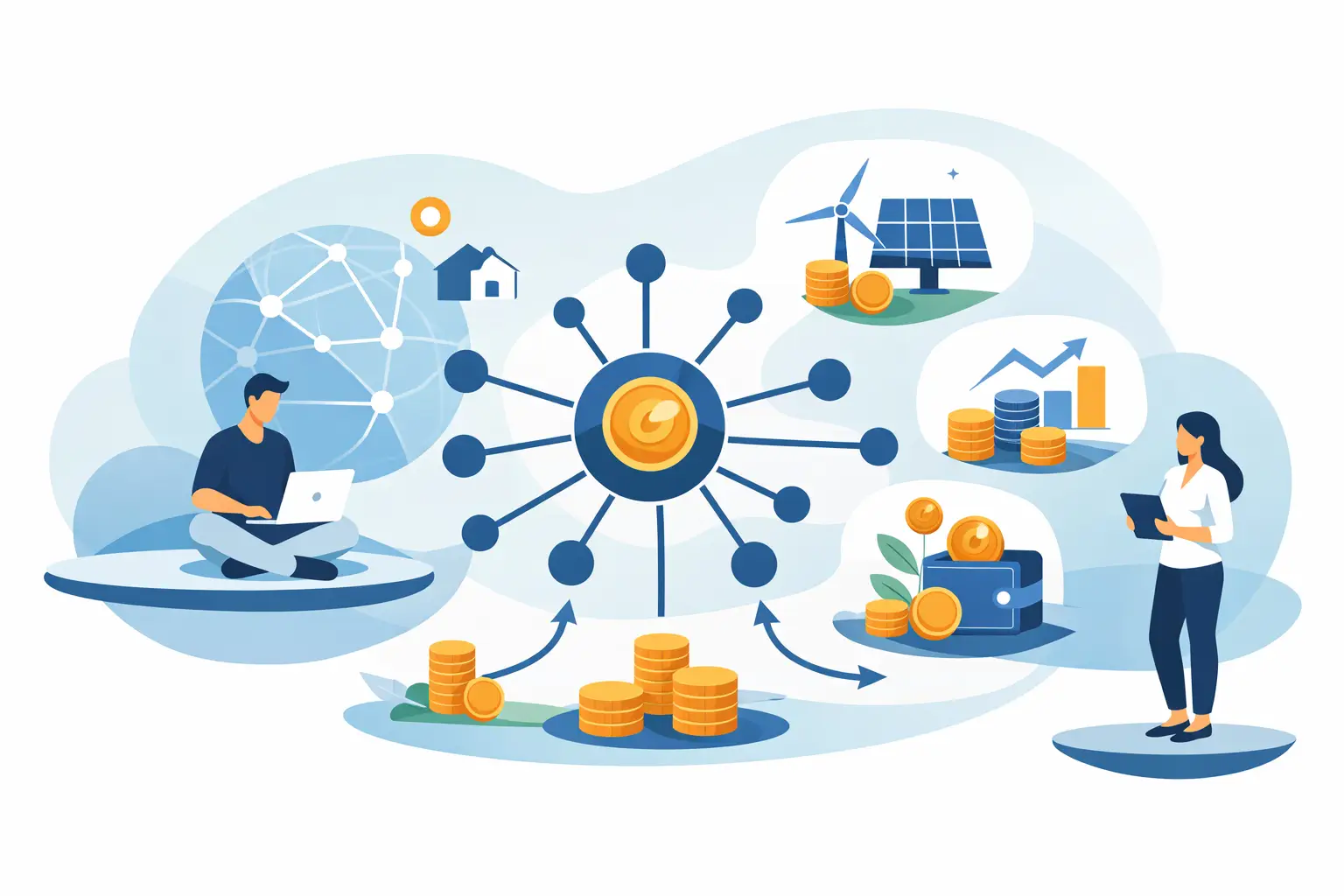
A decentralized income stream is income connected to a network that is not controlled by one central company or authority. In many crypto-based models, the rules are run through software, distributed participants, and transparent blockchain records rather than a single bank or corporate office.
That does not mean there are no businesses, platforms, or people involved. There usually are. The difference is that the underlying asset or network can operate through a broad group of independent participants. Bitcoin is the clearest example. No CEO decides how many new bitcoin can be created. The network follows rules that participants can verify.
Income can come from contributing something valuable to that network. Depending on the model, that contribution may be computing power, capital, liquidity, content, referrals, technical work, or community building. The reward may be paid in cryptocurrency, network fees, tokens, or commissions connected to a business opportunity.
The word decentralized describes the network structure. It does not automatically describe the quality of every opportunity built around it. A mining operation, a staking platform, and a referral business may all use crypto language while having very different risks, ownership structures, and earning models. That is where clear thinking becomes your advantage.
Bitcoin Mining: Income From Network Participation
Bitcoin mining is one of the most recognized decentralized income models because miners help secure the Bitcoin network. Specialized machines compete to solve computational problems. When a miner contributes the successful block, the network issues a reward made up of newly released bitcoin and transaction fees.
The mining process is not about printing money. It is about providing computing power that validates transactions and protects the network from manipulation. Miners around the world compete under the same core protocol rules, which is why mining is often seen as a direct way to participate in Bitcoin’s infrastructure.
For an individual, there are several ways to gain exposure to mining. Some people buy and operate hardware themselves. Others participate through hosted mining arrangements or mining-focused programs that handle equipment, power, maintenance, and operations. The right path depends on your capital, technical confidence, location, energy costs, and willingness to manage the details.
Running a machine at home may sound independent, but electricity, heat, noise, repairs, and changing mining difficulty are real issues. A hosted arrangement can reduce operational friction, but it adds another layer of counterparty risk. You need to understand exactly who owns the equipment, where it is located, what fees apply, and how rewards are calculated.
Mining rewards also change. Bitcoin’s price moves. Network difficulty rises and falls. The block reward is reduced over time through halvings. No honest person can promise a fixed result from an activity influenced by market price, operating costs, and competition.
Still, the core appeal is easy to understand: instead of only buying an asset and hoping it rises, mining can position you around the process that supports the network itself.
Decentralized Does Not Mean Hands-Off
One of the biggest misunderstandings is that decentralized income requires no work. In reality, every sustainable income stream needs either capital, effort, skill, patience, or some combination of all four.
If you own mining equipment, your capital is working through the equipment and energy used to support the network. If you earn through a referral-based crypto opportunity, your work may be education, relationship building, follow-up, and helping people understand what they are considering. If you stake assets, your capital is exposed to market conditions and platform or protocol risk.
The freedom comes from building assets and skills that are not limited to hourly wages. But freedom is built step by step. It is not delivered by a flashy dashboard, a social media post, or a promise of overnight returns.
For many people, the smartest starting point is not trying to replace their income immediately. It is creating a second lane. Learn the model. Start with an amount you can afford to put at risk. Track what happens. Build your understanding before increasing your exposure.
Where the Income Actually Comes From
Before you register for any crypto opportunity, ask a simple question: what economic activity produces the reward?
With Bitcoin mining, revenue is tied to block rewards and transaction fees. With a legitimate service business, income may come from customers paying for a useful product. With affiliate or network-marketing models, commissions generally come from sales, subscriptions, or program participation according to a stated compensation plan.
Be cautious when an opportunity cannot explain its source of revenue in plain language. Confusing terminology is not sophistication. If the explanation depends only on bringing in more people, with no meaningful product, service, infrastructure, or transparent economic engine, slow down and investigate further.
A credible opportunity should help you understand these four areas:
- What you are buying, leasing, or participating in.
- How the underlying activity generates revenue.
- Which fees, restrictions, and withdrawal rules apply.
- What could cause your results to be lower than expected.
You do not need to become a blockchain engineer. You do need enough clarity to know what you own, what you control, and what you are trusting someone else to manage.
Ownership, Access, and Risk Matter More Than Hype
Crypto gives people more options, but options require responsibility. If you hold digital assets yourself, protecting private keys and recovery phrases becomes your job. If someone else holds them, you need to evaluate that company or platform. There is no universal setup that is perfect for everyone.
The same is true with mining. Direct ownership can give you more control, while a managed model may offer more convenience. More control can mean more work. More convenience can mean more dependence on an operator. The best choice is the one you understand well enough to manage with confidence.
Avoid using money needed for rent, food, debt payments, or emergencies. Avoid borrowing just to chase a return. And do not let urgency pressure you into skipping questions. A real opportunity can withstand a careful conversation.
It also helps to separate education from promotion. A person may introduce you to a program, share their personal experience, and help you get started. That can be valuable, especially if you are new. But your decision should still rest on your own understanding of the terms, costs, risks, and possible outcomes.
Building a Decentralized Income Mindset
The bigger opportunity is not simply owning crypto. It is learning to think like an owner instead of only a worker. Owners ask where value is created, who controls the asset, what the operating costs are, and how the model performs when conditions change.
That mindset can reshape how you approach income. You may choose to build a small mining position, develop an online audience, learn digital sales skills, or create a mix of traditional and crypto-based income. Not every path fits every person. What matters is moving from dependence toward more choices.
At BTC Strateg, the conversation starts with simplifying the mining opportunity so everyday people can evaluate it without feeling overwhelmed. The goal is not to pretend the path has no risk. The goal is to help people see that they can learn the game, ask better questions, and take action with more confidence.
Start With Clarity, Then Build Momentum
Decentralized income is not about abandoning your life tomorrow. It is about refusing to leave your entire future in the hands of one paycheck. Start by learning how the model works, verifying where the revenue comes from, and choosing a level of participation that matches your budget and goals.
The people who create more options for themselves are rarely the ones waiting for perfect certainty. They are the ones who stay curious, protect their downside, and take the next informed step. Your financial freedom may not begin with a dramatic leap. It may begin with one honest question, one clear plan, and the decision to build something that is more truly yours.