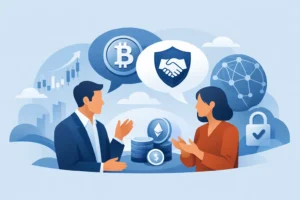
A person can watch ten crypto videos, join three groups, and still have no idea what to do next. That is where most opportunities lose people. This network marketing lead generation case study looks at a simpler path: attract people who already want more income and freedom, give them a clear first step, then start a real conversation instead of pushing a complicated pitch.
The lesson is not that every interested person will join. They will not. The lesson is that qualified attention becomes more valuable when your message is personal, your education is simple, and your follow-up feels like guidance rather than pressure.
The Situation: Interest Without Direction
Consider a network marketer promoting a bitcoin mining opportunity to working adults looking for a serious alternative income stream. The audience was not made up of day traders searching for charts and technical jargon. These were parents, employees, freelancers, and side-hustle seekers who were tired of trading more hours for the same paycheck.
They were curious about crypto, but curiosity alone does not create action. Many had seen big promises online and had learned to be skeptical. Others believed bitcoin mining was only for engineers, wealthy investors, or people with warehouses full of equipment.
The original message was broad: make money online, build passive income, join the future of crypto. It brought attention, but it also brought the wrong kind of attention. People asked vague questions, disappeared after receiving information, or joined conversations with unrealistic expectations.
The problem was not a lack of leads. It was a lack of trust and clarity before the lead ever reached a direct message.
The Shift: From Big Claims to a Personal Path
The lead-generation strategy changed when the marketer stopped leading with income language alone and began leading with a relatable story and a practical opportunity frame.
Instead of saying, “This will change your life,” the message became more grounded: “If you are looking for a way to participate in the digital economy without becoming a crypto expert, here is the process I used to get started.” That difference matters. The first statement sounds like a promise. The second opens a door.
The new positioning focused on three ideas: bitcoin mining as an alternative-income model, education for beginners, and personal support during the registration process. Prospects were no longer asked to understand every detail before taking action. They were invited to learn the basics, review the opportunity, and decide whether it matched their goals.
This is especially effective in relationship-based marketing. People do not need another stranger shouting about financial freedom. They need someone who can explain a path in plain language, answer honest questions, and tell them what the next step actually looks like.
How the Lead Funnel Was Built
The funnel was intentionally short. More steps do not always mean more credibility. For a beginner audience, too many pages, terms, and decisions can create paralysis.
1. Content Started With a Real Pain Point
Short-form posts and direct outreach did not begin with mining hardware or blockchain terminology. They began with the problem the audience already felt: rising costs, limited time, job burnout, and the frustration of building someone else’s future.
A strong opening sounded more like this: “If your income stops when you stop working, it may be time to learn how digital assets can create another lane.” It spoke to ambition without pretending that results arrive overnight.
The content then connected that pain point to an accessible topic: learning how bitcoin mining programs work and how everyday people can explore the space with guidance. This attracted people interested in the opportunity, not just people looking for free crypto.
2. Education Came Before the Invitation
The next step was a simple presentation that answered the questions prospects were already carrying. What is bitcoin mining? How does a mining-focused program work? What does getting started involve? What are the risks? Why is there a network-marketing component?
This step filtered the audience naturally. A person who only wants instant money will rarely spend time learning. A person who wants a legitimate path to greater flexibility is more likely to watch, ask questions, and come back with serious interest.
The presentation did not need to make complicated financial claims. In fact, avoiding that language improved trust. It explained the opportunity, the learning curve, and the fact that any business decision should fit a person’s budget, risk tolerance, and long-term goals.
3. The Call to Action Became a Conversation
Rather than asking prospects to make a major decision alone, the call to action invited them to start a direct conversation. That might be a Telegram message, a short call, or a personal walkthrough of the registration steps.
This was the turning point. A landing page can provide information, but a conversation identifies the real objection. One prospect may fear technology. Another may be worried about starting small. Someone else may have had a bad experience with a previous network-marketing company and needs transparency before moving forward.
At BTC Strateg, this personal bridge matters because the opportunity is not presented as a faceless transaction. It is presented as a guided entry point for people ready to take ownership of their financial education.
What Made the Leads Stronger
The strategy did not try to maximize the number of names in a contact list. It aimed to increase the number of people who understood why they were there.
Three small changes made the biggest difference. First, the marketer used specific language about who the opportunity was for. This reduced unqualified inquiries. Second, every piece of content had one next step instead of five competing calls to action. Third, follow-up focused on the prospect’s goals before discussing registration.
For example, instead of sending “Are you ready to join?” after someone watched a presentation, the follow-up asked, “What stood out to you most, and what would you need to understand before you could feel comfortable moving forward?”
That question changes the energy immediately. It tells the prospect they are allowed to think. It also gives the marketer useful information for the next conversation.
The Follow-Up System That Prevented Lost Leads
Most leads are not saying no when they go quiet. Often, they are busy, uncertain, or overwhelmed by information. A disciplined follow-up process gave people room to make a decision without being forgotten.
The first message arrived soon after the prospect requested information and confirmed what they wanted to learn. A second message checked whether they had reviewed the presentation. A third offered to answer one specific question. After that, the marketer shared useful educational content or a personal lesson rather than repeating the same sales line.
There is a trade-off here. Follow up too little, and motivated people drift away. Follow up too aggressively, and you damage the trust you worked to build. The right pace depends on the prospect’s engagement. Someone asking detailed questions may want a quick call. Someone who has not opened the first message needs space, not pressure.
What This Case Study Teaches About Crypto Leads
Crypto lead generation is often treated like a numbers game. Run ads, collect emails, send promotions, repeat. That can produce volume, but volume is not the same as momentum.
The strongest network-marketing leads are people who connect the opportunity to a personal reason for changing direction. They want more time with family. They want an income source that is not tied only to a boss. They want to understand where money and technology are heading, rather than feel left behind.
Your job is not to convince every person that bitcoin mining is right for them. Your job is to clearly show the opportunity, be honest about the need to learn and take action, and support the people who see a fit.
Build Trust Before You Ask for Commitment
If you are generating leads for a mining-focused network-marketing opportunity, do not hide behind generic motivational posts. Share what changed your perspective. Explain the first step in plain English. Give people a reason to believe they will receive support after they raise their hand.
A clear message will bring fewer casual clicks than a wild promise. It can also bring better conversations, stronger relationships, and a business built on people who know why they joined. The next person who reaches out may not need another pitch. They may simply need someone credible to show them that a different financial path can start with one informed decision.