A lot of people ask this question when they are tired of working harder without getting ahead financially: is bitcoin mining still worth it? The honest answer is yes – for the right person, with the right setup, and with realistic expectations. Mining is not magic money. But it is still one of the clearest ways to participate in Bitcoin beyond simply buying and holding, and for many people, that matters.
The reason this question keeps coming up is simple. Bitcoin mining used to feel like an early-mover game. Cheap machines, less competition, and easier profits made it look almost effortless from the outside. Today, the space is more mature. That scares some people off. But maturity does not mean opportunity is gone. It means the easy money is gone, and the smarter money is paying attention.
Is bitcoin mining still worth it for everyday people?
For everyday people, the answer depends on how they enter. If you are imagining plugging a random machine into your garage and becoming financially free by next month, no, that is not realistic. If you are thinking longer term, willing to learn the basics, and open to using a guided system or proven model, then mining can still make a lot of sense.
What makes mining attractive is not only daily output. It is leverage. You are building exposure to a digital asset with a fixed supply, and you are doing it through production rather than just speculation. That difference matters. When you mine Bitcoin, you are participating in the network itself. You are not just hoping the price goes up. You are earning an asset that many people believe will become even more valuable over time.
For someone stuck in a paycheck-to-paycheck cycle, that can be powerful. Mining offers a different relationship with money. Instead of trading your time for every dollar, you are setting up an asset-based system that can keep working after the initial decision is made. That is why people looking for flexibility, side income, or a long-term crypto strategy still pay attention to mining.
What actually determines whether mining is profitable?
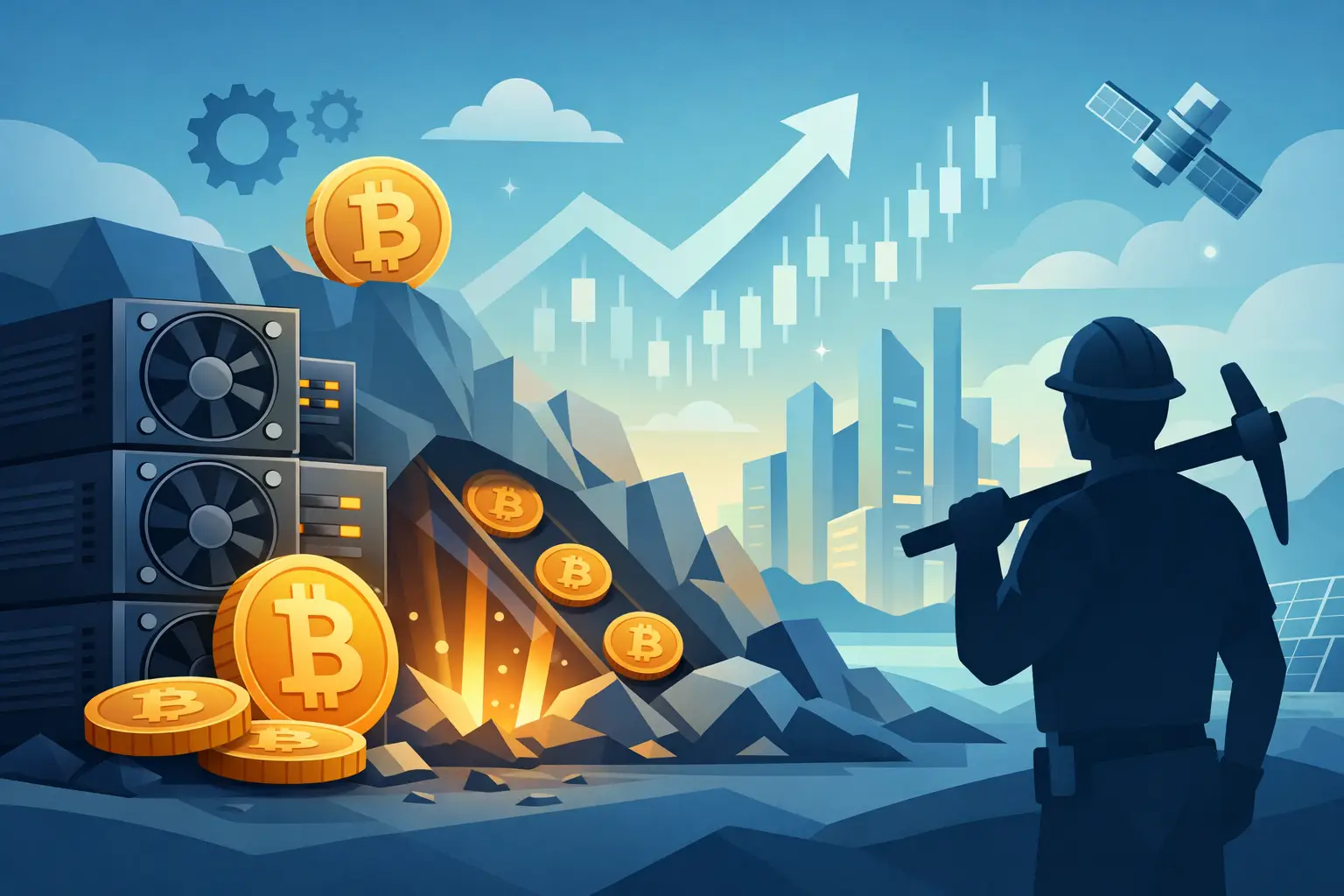
This is where people either get serious or get disappointed. Profitability comes down to a few moving parts: equipment efficiency, electricity cost, Bitcoin price, mining difficulty, fees, and your time horizon.
Electricity is the big one. If your power costs are too high, mining margins can get crushed fast. A setup that works well in one location may make no sense in another. That is why anyone talking about mining without mentioning energy cost is skipping the real conversation.
Then there is hardware. Older machines can still run, but they are less efficient and less competitive. Newer miners cost more upfront, yet they often give you a better chance at staying profitable over time. This is one of the biggest trade-offs in mining: spend less now and risk weaker performance, or invest more upfront for stronger long-term potential.
Bitcoin’s market price also changes everything. During strong bull cycles, mining can look incredible. During slower markets, weak operators get exposed. That does not mean mining stops working. It means your strategy has to match reality. People who win in this space are usually not the ones chasing hype. They are the ones who understand cycles and position themselves before the crowd gets excited.
Why some people still say yes without hesitation
There is a reason experienced people in crypto still believe in mining. They understand that wealth is often built by accumulating quality assets before everyone else agrees. Bitcoin mining gives you a method of accumulation that can be more disciplined than emotional buying.
When you buy Bitcoin directly, fear and greed can mess with your timing. You buy after a pump, panic during a drop, and second-guess yourself constantly. Mining can create a steadier mindset. You are focused on production, consistency, and long-term output. That can help people stay in the game when others give up.
There is also something deeply attractive about building an income stream tied to decentralized infrastructure. A lot of people are burned out by systems where they have no control, no ownership, and no upside. Mining appeals to that frustration because it represents participation in a network that is not controlled by one employer, one bank, or one institution.
For entrepreneurs and side-hustle seekers, that idea is bigger than a spreadsheet. It is about freedom, options, and getting closer to financial self-reliance.
Is bitcoin mining still worth it after the halving?
Yes, but the halving makes strategy more important.
Every halving reduces the block reward miners receive. That means inefficient setups feel pressure fast. Some miners shut down. Others upgrade. Stronger operators adapt and keep going. This is why the halving does not kill mining. It clears out weak positions and rewards people who planned ahead.
If you only looked at the reduced reward, you might assume mining becomes a bad deal. But Bitcoin does not operate in a vacuum. Price, network growth, and market demand all interact with the halving. Historically, many miners who stayed disciplined through tougher periods benefited when the market strengthened later.
That does not guarantee profits, and nobody should pretend otherwise. But it does show why mining should be viewed as a long-term business decision, not a get-rich-quick move.
Who should probably avoid mining right now?
Mining is not for everyone, and saying that clearly builds more trust than overpromising.
If you need immediate cash flow with zero learning curve, mining may not be your best first move. If you cannot handle price volatility, you will likely feel stressed. If you are unwilling to look at numbers, ask questions, or think in months and years instead of days, mining can frustrate you.
It is also a poor fit for people who jump into every shiny opportunity without understanding what they are doing. Mining rewards patience more than impulse. The people who usually struggle are the ones looking for guaranteed results without committing to a real strategy.
That said, you do not need to be a tech expert. You do not need to be a full-time trader. And you do not need to understand every line of blockchain code. You need clear guidance, realistic expectations, and a willingness to start smart instead of blindly.
The real opportunity is not hype – it is positioning
This is where the conversation becomes more serious. Most people hear about opportunities too late. They move when mainstream media gets loud, when prices are already running, and when the easiest gains are gone. Mining can be different because it encourages a position before the crowd fully arrives.
That is why people who think like builders often do well here. They are not waiting for permission. They are creating a foothold in an asset class they believe will matter more in the future. They understand that small, strategic actions today can change what life looks like in two, three, or five years.
For many people, the deeper value of mining is what it represents. It is a move away from dependence and toward ownership. It is a way to stop sitting on the sidelines of crypto and start participating in a more active way.
That mindset shift can be life-changing. Once you start seeing income as something you can build instead of something you can only receive from a boss, your decisions start to change. Your standards change too.
So, is bitcoin mining still worth it?
If you want a shortcut, probably not. If you want a real opportunity that comes with risk, learning, and upside, yes, it still can be worth it.
The people who benefit most are usually not the loudest people online. They are the ones who take time to understand the model, get around the right guidance, and act before they feel perfectly ready. They know that waiting for certainty often means missing momentum.
Bitcoin mining is still worth it for people who want more than another temporary side hustle. It is worth looking at for those who care about long-term asset accumulation, alternative income, and building a more independent future. And if you are the kind of person who knows the old path is no longer enough, this may be one of those decisions that looks small now but feels massive later.
The smartest move is not chasing excitement. It is choosing a path that gives you more control over where your life goes next.